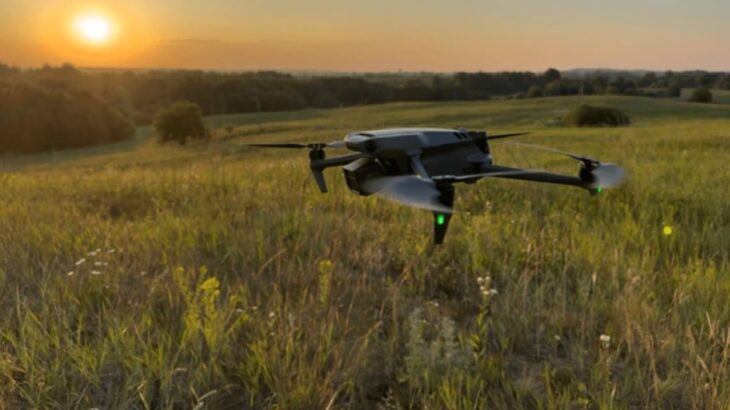
Introduction to UAV Technology
The evolution of Unmanned Aerial Vehicles (UAVs) has significantly transformed numerous sectors over the past decade. With advancements in technology, the applications of drones have expanded far beyond their initial military uses, making substantial inroads into commercial fields like agriculture, logistics, construction, and surveillance. UAV surveillance, in particular, has gained traction, providing cutting-edge methods for monitoring and data collection.
Revolutionizing Agriculture
Agriculture is one of the most promising sectors for drone applications. Farmers are increasingly utilizing UAVs to monitor crop health, manage irrigation systems, and optimize harvesting processes. By capturing high-resolution images and utilizing multispectral data, drones can help identify issues like pest infestations or nutrient deficiencies early, allowing for timely interventions.
- Crop Health Monitoring
- Irrigation Management
- Pest and Disease Detection
The data collected can significantly enhance productivity and sustainability, paving the way for what is often referred to as “precision agriculture.”
Enhancing Logistics and Delivery Systems
The logistics industry is experiencing a profound transformation due to UAV technologies. Drones are revolutionizing last-mile delivery solutions, reducing delivery times and costs associated with traditional transportation methods. Companies like Amazon have already begun to test their drone delivery systems, showcasing a future where packages can be delivered in a matter of minutes.
- Speedy delivery services
- Reduced transportation costs
- Access to remote or difficult locations
This rapidly advancing technology not only empowers businesses but also benefits consumers by providing faster and more reliable delivery options.
Construction and Infrastructure Monitoring
The construction industry is harnessing the capabilities of drones for site surveys, inspections, and project management. Drones equipped with 3D mapping technology can create detailed topographical maps that aid in planning and contract execution. Regular UAV surveillance allows project managers to keep an eye on progress while ensuring compliance with safety standards.
- Site Surveys
- Progress Monitoring
- Resource Management
Moreover, the use of drones can significantly reduce the risks associated with hazardous inspections of tall structures or remote areas, ensuring greater safety for workers.
Environmental Monitoring and Conservation
As global environmental challenges become increasingly urgent, UAVs are stepping in as valuable tools for monitoring wildlife, assessing natural disasters, and managing natural resources. Drones enable researchers and conservationists to collect data over large areas without disturbing ecosystems, facilitating better decision-making in conservation efforts.
- Wildlife Tracking
- Deforestation Monitoring
- Disaster Management
This application is critical in areas subjected to climate change, enabling timely intervention and strategic conservation planning.
The Role of Regulations and Future Developments
As the commercial drone sector continues to grow, regulatory frameworks are also evolving to ensure safety and privacy. Governments around the world are working to establish guidelines that facilitate the operational use of drones while preventing misuse. The innovation seen on platforms like the Acecore Technologies website showcases the potential future developments in UAV technology, including improved AI and machine learning capabilities that will enable drones to perform more complex tasks autonomously.
Visions of Tomorrow
The future of commercial drone applications is promising, with vast potential across various sectors. From revolutionizing agriculture to transforming logistics and infrastructure management, drones are set to become integral tools in many industries. As technology advances and regulations adapt, the capabilities of UAVs will likely expand even further. This will not only enhance operational efficiency across different fields but will also contribute to a more sustainable world.