The Genesis of Goth and Rock: 1970s
The 1970s marked a pivotal moment in the music scene, giving rise to rock bands that would later inspire various subcultures, including the goth movement. The rock genre was characterized by its rebellious spirit, with bands like Led Zeppelin and The Rolling Stones leading the charge. Meanwhile, the latter part of the decade saw the birth of punk rock, which would lay the groundwork for the goth aesthetic. Bands such as The Cure and Siouxsie and the Banshees infused darker, more introspective themes into their music, shaping what would soon evolve into the goth style.
The Rise of Goth: 1980s
The 1980s was the decade when goth culture truly began to crystallize. The gothnrock fusion emerged prominently, where elements of rock intersected with darker, more gothic aesthetics. This era saw the release of iconic albums like “Boys Don’t Cry” by The Cure and “Juju” by Siouxsie and the Banshees, which featured haunting melodies and introspective lyrics encapsulating the angst of youth.
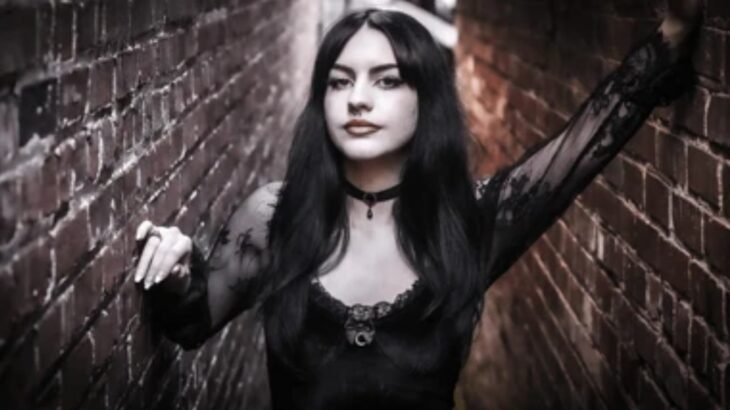
Fashion played a significant role in the development of goth style during this time. The classic goth look included:
- Black leather and lace
- Dark makeup, particularly eyeliner and black lipstick
- Signature hairstyles, often dyed black or vividly colored
These elements combined to create a distinctive aesthetic that celebrated individuality and rebellion against mainstream culture.
The 1990s: Diversification of Styles
As we moved into the 1990s, goth culture began to diversify. The influence of grunge, led by bands like Nirvana and Pearl Jam, created a new intersection where alternative styles flourished. While the goth aesthetic remained, it was infused with elements of grunge fashion. Baggy clothing, flannel shirts, and combat boots became mainstream staples, merging with the classic goth look.
Simultaneously, the goth subculture began to embrace different musical influences, leading to the rise of:
- Darkwave
- Industrial music
- New Wave
This diversification helped sustain the goth community while allowing for varying interpretations of style. The mix of rock and goth influences continued to appeal to a broad audience, ensuring its relevance through changing musical landscapes.
The 2000s: Mainstream Recognition and Evolution
Fashion in the 2000s was characterized by a combination of emo and goth styles, leading to an eclectic look that included:
- Skinny jeans
- Graphic tees
- Studded accessories
This era reinforced the idea that goth and rock could be fluid, allowing individuals to blend various influences and create unique styles that reflected personal identity.
Modern Era: 2010s to Present
Entering the 2010s, the evolution of goth and rock styles has become even more pronounced. The fusion of genres has led to experimental sounds and visuals that continue to challenge traditional boundaries. Today, we see elements of goth infused in pop, hip-hop, and electronic music, with artists like Billie Eilish and Lil Peep incorporating darker themes into their work.
The fashion scene has also embraced a more inclusive approach, breaking down barriers of what constitutes goth or rock. Modern interpretations often blend vintage pieces with contemporary fashion, embodying a spirit of individuality, much like the origins of the subculture itself.
A Timeless Connection: The Journey Continues
The journey of goth and rock style has seen it evolve in numerous ways, all while maintaining its core themes of self-expression and defiance against societal norms. Today, solutions for blending these iconic styles and themes pave the way for future generations to create their own interpretations. As we navigate through music and fashion, one thing remains clear: the spirit of gothnrock is alive, thriving, and inspiring countless individuals to explore their identities.